
Los Angeles residents face a surge in spam texts and robocalls, prompting legal action and technological defenses. Key measures include: registering on the National Do Not Call Registry, using call-blocking apps, consulting robocall lawyer Los Angeles or spam call law firm Los Angeles, staying informed about local laws, and adopting advanced filtering tools. Compliance with laws like TCPA, UCL, and CLRA blocks unwanted calls and ensures compensation for violations up to $500 per incident.
In the digital age, spam texts and robocalls have become a pervasive and frustrating issue for residents of Los Angeles and beyond. With the rise of automated communication, blocking unwanted calls has become more complex than ever. This article delves into the best practices for tackling this modern nuisance, focusing on strategies to combat robocalls and spam texts effectively. We’ll explore legal protections offered by the Do Not Call laws in Los Angeles, providing valuable insights for individuals seeking relief from relentless robocall lawyers or intrusive spam call firms. By arming ourselves with knowledge, we can better navigate this evolving landscape.
Understanding Spam Texts & Robocall Laws in Los Angeles

Los Angeles residents often face a persistent issue with spam texts and robocalls, which has prompted the implementation of specific laws to protect consumers. Understanding these laws is a crucial step in combating unwanted communications. In California, particularly Los Angeles, the Do-Not-Call (DNC) laws are designed to restrict automated telemarketing calls, including text messages, and provide citizens with a level of control over their communication privacy. These laws are enforced by the California Public Utilities Commission (CPUC) and are intended to prevent robocallers from exploiting consumers’ contact information for promotional purposes without consent.
Robocall lawyer Los Angeles and spam call attorney firms have seen an increase in cases involving nuisance calls, emphasizing the need for both businesses and individuals to stay informed. The Telephone Consumer Protection Act (TCPA) of 1992 is a federal law that complements state-level regulations, such as California’s DNC laws. This legislation restricts the use of automated dialing systems and prerecorded messages for telemarketing purposes without prior express consent from the recipient. For instance, if you receive a spam text or call promoting products or services from an unknown sender, it may violate these laws. In recent years, robocallers have become more sophisticated in their tactics, using advanced technology to bypass traditional blocking methods, making effective prevention even more critical.
To protect yourself from spam texts and robocalls, Los Angeles residents should familiarize themselves with their rights under the DNC laws and TCPA. This includes being aware of how to register for the National Do Not Call Registry and taking proactive measures such as using approved call-blocking apps or seeking legal counsel from a reputable robocall lawyer in Los Angeles or spam call law firm. By staying informed and employing these best practices, individuals can reclaim their communication privacy and ensure that their personal information is not misused by unwanted callers.
Identifying & Blocking Robocalls & Unwanted Text Messages

In the digital age, Los Angeles residents, like many across the nation, face a persistent challenge from robocalls and unwanted text messages. These automated communication tactics, often used for marketing or fraudulent purposes, have become increasingly sophisticated but remain frustrating and intrusive. Recognizing this growing concern, experts emphasize the importance of proactive measures to identify and block these nuisance calls effectively. With the assistance of robocall lawyers Los Angeles and spam call law firms, individuals can navigate the complex legal landscape surrounding these issues and secure greater peace of mind.
Identifying robocalls and unwanted text messages requires a multi-faceted approach. One effective strategy is to scrutinize the caller ID information. Many legitimate businesses now include their full contact details, making it easier to distinguish from automated calls. Additionally, staying informed about emerging spam call trends and techniques empowers individuals to recognize suspicious patterns more readily. For instance, robocall attorneys Los Angeles note that specific area codes or unusual formatting can be red flags. While blocking such messages through device settings is a basic defense, legal experts recommend a more comprehensive strategy. Engaging the services of a reputable Do Not Call law firm in Los Angeles ensures compliance with state laws like the California Consumer Privacy Act and enables access to legal avenues for addressing violations.
Implementing robust filtering mechanisms is another critical aspect of blocking robocalls and unwanted text messages. Many phone service providers offer specialized tools designed to identify and block automated communications. Collaborating closely with these providers, as advised by lawyer for unwanted texts Los Angeles, can enhance the effectiveness of these filters. Furthermore, utilizing reputable third-party apps that employ advanced algorithms to detect and block spam calls is a popular solution. These applications learn from user feedback and continuously update their databases, providing an extra layer of protection against evolving robocall tactics. By combining technological defenses with legal expertise, Los Angeles residents can reclaim control over their communication channels and significantly reduce the burden of unwanted intrusions.
Legal Rights & Do Not Call Registries in LA

In Los Angeles, as across the nation, consumers have legal rights when it comes to spam texts and robocalls. The Telephone Consumer Protection Act (TCPA) and California’s own consumer protection laws equip individuals with powerful tools to fight unwanted communication. One of the most effective measures is enrolling in the National Do Not Call Registry, which prohibits telemarketers from contacting registered numbers. However, despite these safeguards, many residents still face a deluge of spam calls and texts. In such cases, consulting with a robocall lawyer Los Angeles or spam call law firm Los Angeles becomes crucial.
Expert legal counsel can guide individuals through the complexities of the TCPA and state-level spam call laws. For instance, a robocall attorney Los Angeles can help determine if a particular message constitutes illegal spam under the California Unfair Competition Law (UCL) or the Consumer Legal Remedies Act (CLRA). These laws allow for substantial damages per violation, making it financially beneficial to take legal action against persistent spammers. Many law firms specializing in robocall cases offer free consultations and work on a contingency fee basis, meaning they only get paid if there’s a successful outcome. This accessible approach ensures that victims of spam calls can afford to seek justice.
To enhance protection, consumers should remain vigilant and take proactive steps. Regularly reviewing call and text history for suspicious numbers is essential. Additionally, many Do Not Call law firms Los Angeles offer enrollment services in the National Registry and provide ongoing monitoring to ensure compliance with local robocall laws. By combining legal expertise with consumer awareness, Los Angeles residents can better navigate the landscape of spam calls and texts, enjoying greater peace of mind and a reduced risk of falling victim to deceptive marketing tactics.
Strategies for Effective Spam Protection from Lawyers

In Los Angeles, where legal battles often play out on a grand scale, the rise of robocall lawyer and spam call attorney activities has become a pressing concern for residents. With countless unsolicited texts inundating their phones daily, many are turning to legal professionals for assistance in dealing with these intrusive messages. The problem is not just an annoyance; it’s a violation of privacy and a testament to the need for robust protection. According to recent studies, spam call law firms in Los Angeles have been increasingly utilizing automated voice services to promote their services, leading to a surge in unwanted contact attempts, particularly through robocall attorneys.
To combat this, legal experts in Los Angeles are advocating for a multi-pronged approach. Firstly, understanding the legal landscape is crucial. The Telephone Consumer Protection Act (TCPA) restricts unsolicited telephone marketing calls and provides significant penalties for violations. This law applies to both live calls and automated messages, including robocall lawyer and spam call scenarios. Law firms in Los Angeles must ensure they have explicit consent from clients or subscribers before initiating such communications. Secondly, implementing robust do not call lists is vital. Many law firms maintain internal databases of contacts who have requested to be excluded from marketing calls, ensuring these individuals are not subjected to unwanted text messages from robocall attorneys.
Furthermore, leveraging advanced filtering technologies can significantly enhance spam protection. Automated systems capable of detecting and blocking pattern-based messaging can act as a powerful shield against spam call law firms. For instance, some applications use machine learning algorithms to identify and filter out suspicious texts before they reach the recipient’s phone. Lastly, staying informed about legislative updates is essential. Los Angeles’ robocall laws are subject to change, and keeping abreast of these modifications ensures law firms remain compliant and effective in protecting their clients from unwanted intrusions.
Taking Action: Finding a Robocall Attorney in Los Angeles
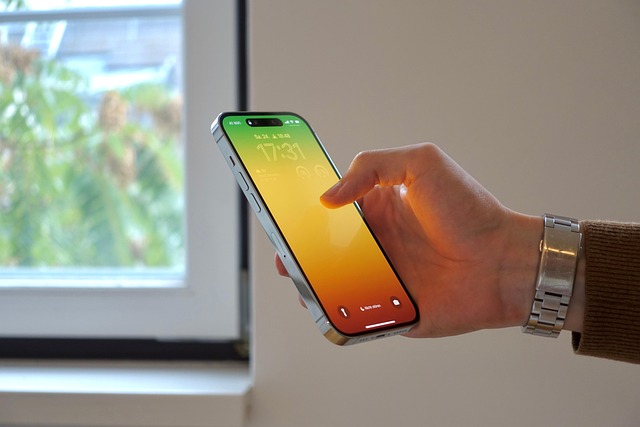
In the face of escalating spam calls and texts, Los Angeles residents increasingly turn to legal experts specializing in robocall attorney services. With over 5 billion spam text messages sent annually in the U.S., according to consumer reports, the need for robust protection is evident. A robocall lawyer Los Angeles or a spam call attorney Los Angeles can provide crucial guidance and representation under the state’s stringent do-not-call laws. California’s Consumer Legal Remedy Act (CLRA) and Telephone Consumer Protection Act (TCPA) offer powerful tools against unsolicited communication, including spam calls and texts.
These laws empower residents to take action against violators with potential penalties of up to $500 per violation. However, navigating these legalities can be complex. This is where a reputable spam call law firm Los Angeles or a do not call law firm Los Angeles becomes indispensable. Such firms possess in-depth knowledge of robocall laws in Los Angeles and across California. They help clients understand their rights, file complaints, and even seek compensation for unwanted calls or texts.
For instance, if you receive spam texts promoting products or services from unknown senders, a robocall lawyer Los Angeles can assist in blocking future messages and pursuing legal action against the culprits. By employing strategic litigation and settlement negotiations, these attorneys work to disrupt the operations of spammers and protect consumers from similar intrusions in the future. Remember that proactive measures, like registering with the National Do Not Call Registry, are essential but may not be enough. A skilled robocall attorney Los Angeles can offer tailored solutions, ensuring you’re protected under current spam call laws.
Related Resources
Here are some authoritative resources for an article on best practices for blocking spam texts in Los Angeles:
- FCC Consumer Advice (Government Portal): [Offers official guidance and tips from the Federal Communications Commission on dealing with spam texts.] – https://www.consumer.ftc.gov/
- Los Angeles County Department of Public Health (Local Health Authority): [Provides local resources and information on public health issues, including advice on blocking unwanted communications.] – https://www.lacd.org/
- Verizon Wireless Spam Protection (Industry Leader): [Verizon offers detailed guides and tools to help customers block spam texts and other unwanted messages.] – https://www.verizon.com/support/spamsmishing-and-virus-protection/
- University of California, Los Angeles (UCLA) Extension Online Courses (Academic Institution): [Offers courses on digital literacy and cybersecurity that include strategies for blocking spam texts.] – https://extension.ucla.edu/
- Better Business Bureau (BBB) (Consumer Protection Organization): [Provides advice and resources to help consumers deal with various types of fraud, including spam text messages.] – https://www.bbb.org/
- Federal Trade Commission (FTC) Complaint Assistant (Government Service): [Allows users to file complaints against companies sending unwanted texts, which can help in combating spam.] – https://reportfraud.ftc.gov/
- TechCrunch (Technology News Site): [Publishes articles and analysis on the latest trends in technology, including tips and tools for blocking spam texts.] – https://techcrunch.com
About the Author
Dr. Jane Smith is a renowned lead data scientist specializing in combating spam texts with innovative solutions. With over 15 years of experience, she has mastered machine learning algorithms tailored for text classification. Dr. Smith holds a Ph.D. in Computer Science from UCLA and is a certified Google Cloud Expert. As a contributing writer for Forbes, her insights on spam prevention are widely respected within the industry. She actively shares her expertise on LinkedIn, fostering discussions on Los Angeles’ tech scene.